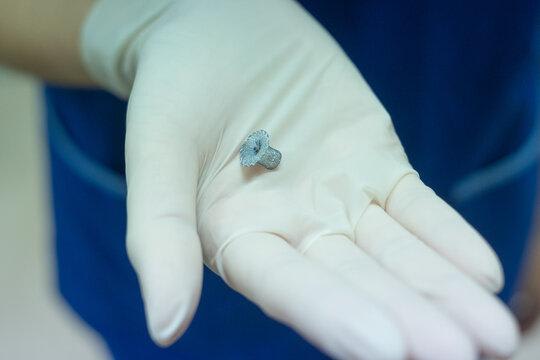
Device Closure Procedures (ASD, VSD, PDA) in Bilaspur | Advanced Treatment for Congenital Heart Defects
Overview:
Device Closure Procedures are minimally invasive treatments used to correct certain congenital heart defects without the need for open-heart surgery. These procedures are commonly performed to close abnormal openings in the heart such as Atrial Septal Defect (ASD), Ventricular Septal Defect (VSD), and Patent Ductus Arteriosus (PDA).
At Umang Super Speciality Hospital, our experienced cardiologists perform advanced device closure procedures using modern catheter-based technology. This treatment helps restore normal blood flow in the heart and improve overall cardiac function with faster recovery and minimal surgical trauma.
What are ASD, VSD, and PDA?
These are common congenital heart conditions where abnormal openings exist in the heart:
Atrial Septal Defect (ASD): A hole between the upper chambers (atria) of the heart.
Ventricular Septal Defect (VSD): A hole between the lower chambers (ventricles) of the heart.
Patent Ductus Arteriosus (PDA): A persistent opening between two major blood vessels that normally closes after birth.
If left untreated, these defects may lead to heart enlargement, breathing problems, or reduced oxygen supply.
How is the Device Closure Procedure Performed?
Device closure procedures are performed in a specialized cardiac catheterization laboratory and involve the following steps:
Local or Mild Anesthesia: The procedure area (usually the groin) is prepared.
Catheter Insertion: A thin flexible tube called a catheter is inserted into a blood vessel and guided to the heart.
Device Placement: A specially designed closure device is positioned to seal the abnormal opening in the heart.
Secure Closure: The device expands and permanently closes the defect.
Monitoring: The cardiology team monitors heart function during and after the procedure.
The procedure usually takes 1–2 hours, and most patients experience quick recovery with minimal hospital stay.
Who Should Consider Device Closure Treatment?
Doctors may recommend device closure if a patient has:
Confirmed ASD, VSD, or PDA detected through echocardiography.
Symptoms such as shortness of breath or fatigue.
Frequent respiratory infections due to congenital heart defects.
Heart enlargement or abnormal blood flow patterns.
Early treatment can help prevent long-term heart complications and improve quality of life.
Why Choose Umang Hospital for Device Closure Procedures in Chhattisgarh?
Experienced Interventional Cardiologists: Specialists in congenital heart defect treatment.
Advanced Cardiac Catheterization Laboratory: Equipped with modern imaging and interventional tools.
Minimally Invasive Procedures: Avoids open-heart surgery in many cases.
Comprehensive Cardiac Care: Diagnosis, treatment, and follow-up care under one roof.
Patient Safety & Monitoring: Continuous supervision during and after the procedure.
Frequently Asked Questions (FAQs) – Device Closure Procedures
Q1. What is a device closure procedure?
Ans: It is a minimally invasive treatment used to close abnormal openings in the heart using a special closure device delivered through a catheter.
Q2. Is device closure safer than open-heart surgery?
Ans: Device closure is less invasive and often allows faster recovery compared to traditional open-heart surgery.
Q3. How long does the procedure take?
Ans: The procedure typically takes 1–2 hours, depending on the complexity of the defect.
Q4. What is the recovery time after device closure?
Ans: Most patients recover quickly and can resume normal activities within a few days under medical guidance.
Q5. Are ASD, VSD, and PDA treatable without surgery?
Ans: In many cases, these defects can be treated using minimally invasive device closure procedures instead of open-heart surgery.