Pacemaker & ICD Specialist in Bilaspur | Advanced Cardiac Rhythm Management
Overview:
A Pacemaker and Implantable Cardioverter Defibrillator (ICD) are specialized medical devices used to manage abnormal heart rhythms (arrhythmias). These devices help regulate the heart’s electrical activity, ensuring the heart beats at a safe and steady rate.
At Umang Super Speciality Hospital, our experienced cardiologists provide advanced diagnosis and treatment for heart rhythm disorders, including pacemaker and ICD implantation. Using modern cardiac technology and expert care, we help patients maintain a stable heart rhythm and improve their overall quality of life.
What is a Pacemaker?
A pacemaker is a small medical device implanted under the skin of the chest that helps regulate slow or irregular heartbeats. It sends electrical signals to the heart to maintain a normal heart rhythm.
Pacemakers are commonly used to treat conditions such as:
What is an ICD (Implantable Cardioverter Defibrillator)?
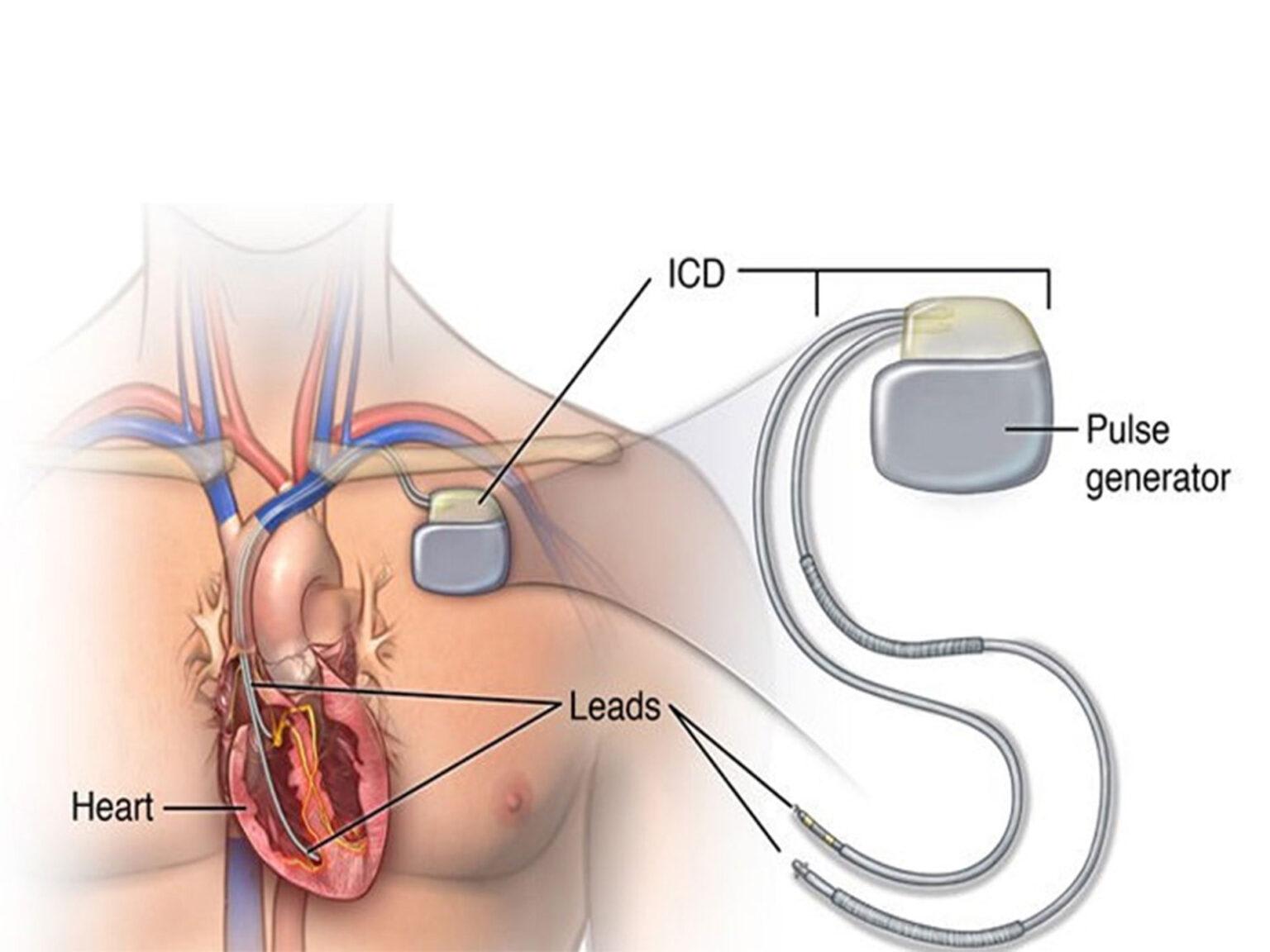
An ICD is a device designed to detect and correct dangerous heart rhythms that can lead to sudden cardiac arrest. When abnormal rhythms occur, the ICD delivers an electrical shock to restore normal heart rhythm.
ICDs are recommended for patients with:
Life-threatening arrhythmias
History of sudden cardiac arrest
Severe heart muscle weakness
High risk of ventricular arrhythmias
How is Pacemaker or ICD Implantation Performed?
The procedure is usually performed in a specialized cardiac procedure room and involves:
Local Anesthesia: The area near the chest is numbed.
Device Placement: The pacemaker or ICD device is implanted under the skin near the collarbone.
Lead Placement: Thin wires (leads) are guided through veins into the heart to monitor and regulate heart rhythm.
Device Programming: The device is programmed to suit the patient’s heart rhythm needs.
Monitoring: The cardiologist checks the device to ensure proper functioning.
The procedure usually takes 1–2 hours, and most patients recover quickly.
Who Should Consult a Pacemaker & ICD Specialist?
You should consult a cardiologist if you experience:
Frequent dizziness or fainting spells
Slow or irregular heartbeat
Unexplained fatigue or weakness
Episodes of sudden palpitations
Diagnosed heart rhythm disorders
Timely diagnosis and treatment can help prevent serious cardiac complications.
Why Choose Umang Hospital for Pacemaker & ICD Treatment in Chhattisgarh?
Experienced Cardiac Specialists: Experts in heart rhythm management and device implantation.
Advanced Cardiac Technology: Modern equipment for accurate diagnosis and treatment.
Comprehensive Cardiac Care: ECG, Holter, Echo, and other heart tests available.
Minimally Invasive Procedures: Faster recovery and improved patient comfort.
Continuous Monitoring & Follow-Up Care: Ensuring optimal device performance and patient safety.
Frequently Asked Questions (FAQs) – Pacemaker & ICD
Q1. What is a pacemaker?
Ans: A pacemaker is a small device implanted in the chest that helps regulate slow or irregular heartbeats.
Q2. What is an ICD device?
Ans: An ICD is a device that monitors heart rhythm and delivers electrical shocks if a dangerous heart rhythm is detected.
Q3. Is pacemaker implantation a major surgery?
Ans: No, it is a minimally invasive procedure usually performed under local anesthesia.
Q4. How long does a pacemaker or ICD last?
Ans: Most pacemaker and ICD batteries last 5–10 years, depending on usage.
Q5. Can patients live normal lives with these devices?
Ans: Yes, most patients can return to normal daily activities after recovery and proper medical guidance.