Valvular Interventions (TAVI) in Bilaspur | Advanced Minimally Invasive Heart Valve Treatment
Overview:
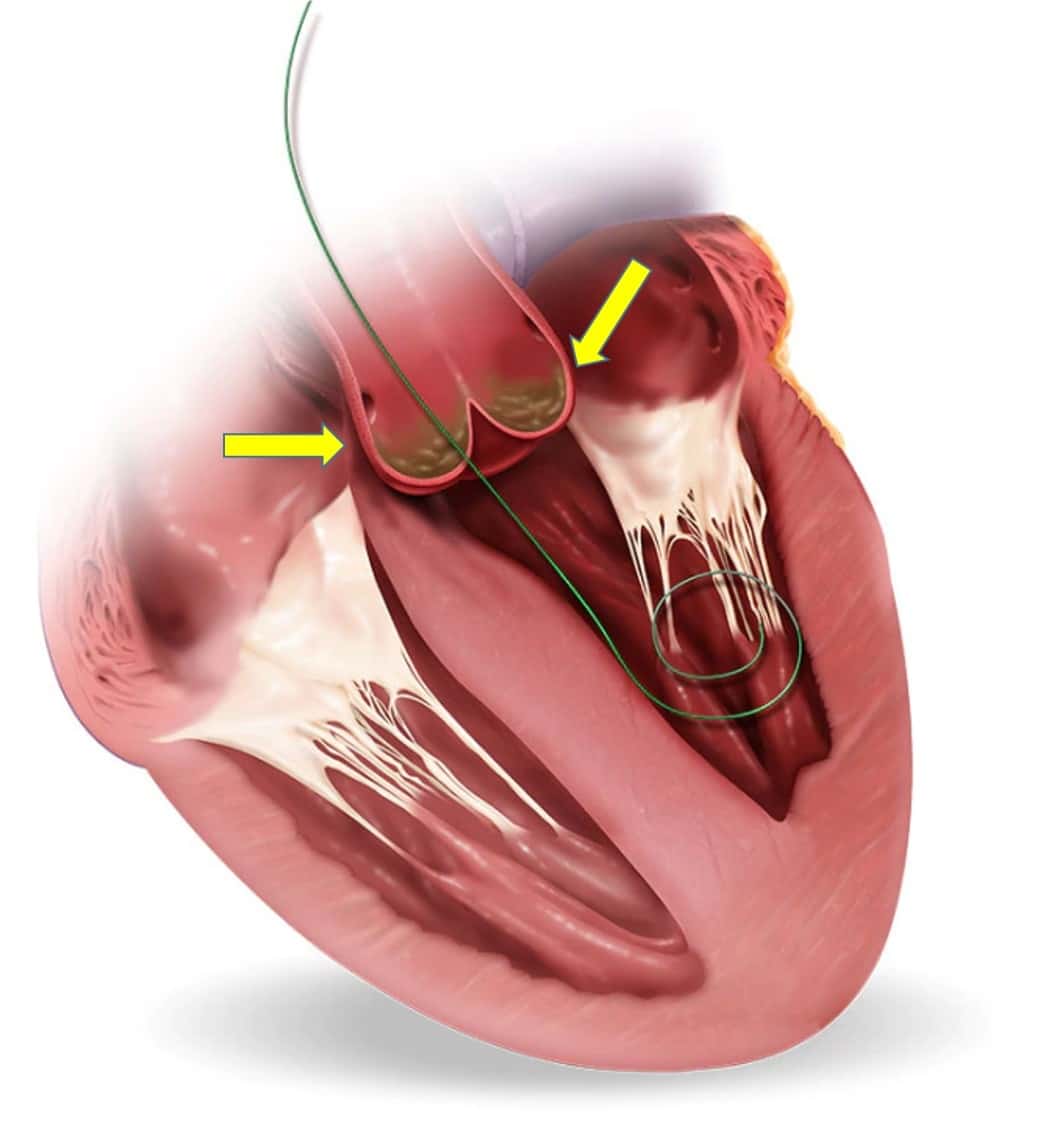
Transcatheter Aortic Valve Implantation (TAVI) is an advanced, minimally invasive procedure used to treat severe aortic valve stenosis, a condition where the aortic valve becomes narrowed and restricts blood flow from the heart to the rest of the body. This condition can lead to symptoms such as chest pain, shortness of breath, fatigue, and fainting.
At Umang Super Speciality Hospital, we provide advanced valvular intervention procedures including TAVI, performed by experienced cardiologists using modern cardiac technology. This procedure offers an effective treatment option for patients who may not be suitable candidates for traditional open-heart surgery.
What is Aortic Valve Stenosis?
Aortic valve stenosis occurs when the aortic valve becomes thickened or calcified, making it difficult for blood to flow properly from the heart. Common causes include:
Age-related valve degeneration
Congenital heart valve abnormalities
Calcium buildup on the valve
Rheumatic heart disease
Without proper treatment, severe aortic valve stenosis can lead to serious heart complications.
How is TAVI Performed?
TAVI is a catheter-based procedure performed in a specialized cardiac catheterization laboratory:
Local or Mild Anesthesia: The procedure area (usually the groin) is prepared.
Catheter Insertion: A thin catheter is inserted through a blood vessel and guided to the heart.
Valve Placement: A replacement valve mounted on a catheter is positioned inside the diseased aortic valve.
Valve Expansion: The new valve expands and begins functioning immediately, allowing proper blood flow.
Monitoring: The cardiology team carefully monitors heart function during and after the procedure.
The procedure typically takes 1–2 hours and usually requires shorter recovery time compared to open-heart surgery.
Who Should Consider TAVI?
Your cardiologist may recommend TAVI if you experience:
Severe aortic valve stenosis.
Chest pain or breathlessness during physical activity.
Fatigue or fainting episodes related to heart valve disease.
High surgical risk for traditional open-heart valve replacement.
Early treatment can help improve heart function and quality of life.
Why Choose Umang Hospital for Valvular Interventions in Chhattisgarh?
Experienced Interventional Cardiologists: Skilled specialists in advanced valve procedures.
Modern Cardiac Catheterization Laboratory: Equipped with advanced imaging and interventional tools.
Minimally Invasive Treatment: Reduced surgical trauma and faster recovery.
Comprehensive Cardiac Care: Diagnosis, intervention, and follow-up treatment in one place.
Patient Safety & Monitoring: Continuous supervision during and after the procedure.
Frequently Asked Questions (FAQs) – TAVI
Q1. What is TAVI?
Ans: TAVI (Transcatheter Aortic Valve Implantation) is a minimally invasive procedure used to replace a damaged aortic valve without open-heart surgery.
Q2. Who is eligible for TAVI?
Ans: Patients with severe aortic valve stenosis, especially those at high risk for open-heart surgery, may be candidates for TAVI.
Q3. Is TAVI safer than open-heart surgery?
Ans: TAVI is a minimally invasive alternative and is often recommended for patients who cannot undergo traditional surgery.
Q4. How long does recovery take after TAVI?
Ans: Recovery is usually faster than open-heart surgery, with many patients recovering within a few days to a week.
Q5. Will the new valve function like a normal heart valve?
Ans: Yes, the implanted valve is designed to restore normal blood flow and improve heart function.